
Straight Razor – Classic Blade Craftsmanship & Design Insight
Discover straight razor designs with insights into blade construction, handle materials, and craftsmanship. Explore the history and quality engineering behind classic straight razors.

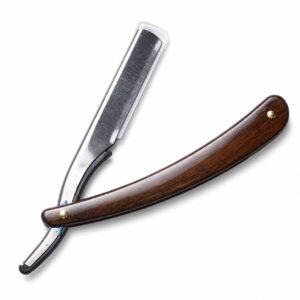

Precision Edge Straight Razor
$26.78
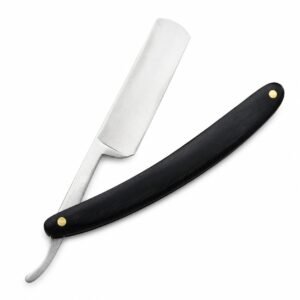

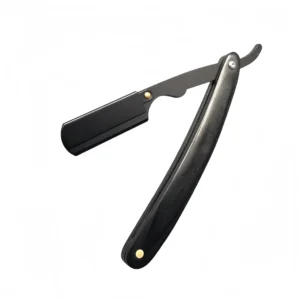
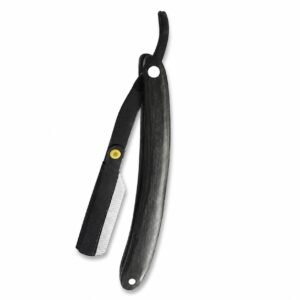
Understanding Straight Razor Design & Blade Geometry
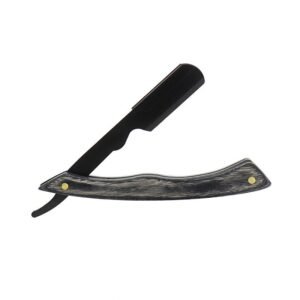
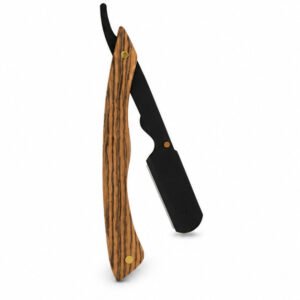
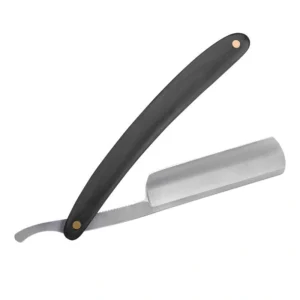
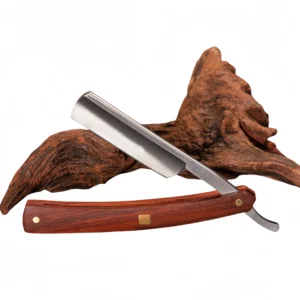
A straight razor typically consists of a single, straight blade that folds into a handle (often called a scales). The blade geometry emphasizes a long, uninterrupted edge with a balanced spine, creating a profile that reflects classic craftsmanship and precision. Studying this design reveals how edge geometry, spine thickness, and overall blade shape contribute to the visual harmony and engineering considerations behind traditional straight razors.
Materials, Construction & Handle Options
Quality straight razors are crafted from high-grade blade steels chosen for structural integrity, corrosion resistance, and refined surface character. Handles (or scales) may feature materials such as wood, horn, bone, stabilized composites, or metal alloys — each bringing its own aesthetic and tactile quality. Precision machining, blade shaping, and careful finishing work ensure that the straight razor feels balanced in hand and visually appealing as a collectible design object.
Historical Evolution & Cultural Influence of Straight Razors
The straight razor has a long history as one of the earliest refined personal grooming tools. Its evolution spans centuries of metalworking innovation, cultural adaptation, and artistic expression. Today’s straight razors carry this legacy forward through modern materials and manufacturing techniques, while retaining the classic silhouette and design principles that have made them cherished by collectors, artisans, and enthusiasts of timeless craftsmanship.
Precision Blade Geometry & Edge Detail
Straight razors feature an elongated blade with carefully considered geometry that balances visual appeal with structural integrity. The blade edge and spine are shaped to reflect proportional harmony, demonstrating the precision work of skilled craftsmen. This elegant geometry is often appreciated by collectors and design enthusiasts as an example of refined blade work.
Handle Materials & Decorative Finishes
Handles (or scales) for straight razors vary widely in material and finish. Traditional options like wood, horn or bone offer organic warmth and texture, while stabilized composites and metals provide durability and modern aesthetic appeal. Decorative inlays, polished surfaces, or subtle patterns further contribute to the visual character and collectible value of each piece.
Balanced Weight & Structural Integrity
A well-crafted straight razor maintains balanced weight distribution between blade and handle, offering a comfortable feel when held. This balance underscores thoughtful design — where ergonomics and visual flow align in a cohesive tool form. Such engineering considerations appeal to those who admire nuanced design and structural harmony.
Durable Finishes & Long-Lasting Construction
Straight razors benefit from durable surface finishes that help protect against wear and environmental exposure. Polished blades, matte textures, bead-blasted surfaces, and corrosion-resistant treatments enhance both functional longevity and aesthetic appeal. These finish details highlight the craftsmanship behind each straight razor.