

Survival Knife – Durable Outdoor Tools with Functional Design
Discover survival knife designs and engineering features for outdoor enthusiasts. Learn about blade materials, ergonomic handles and construction quality that support durability and versatility.
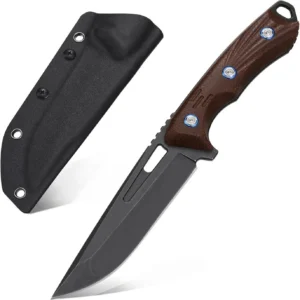

Fixed Blade Knife Stainless Steel Blade with Kydex Sheath Camping Portable Survival Tactical Multitools Hand EDC Knives
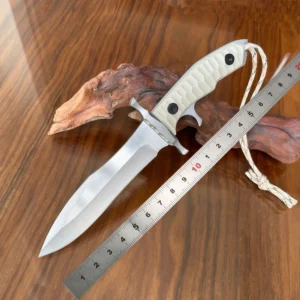
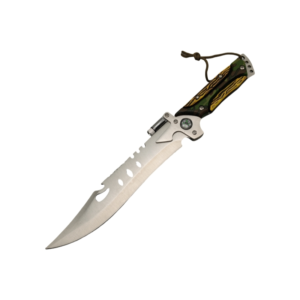
Multi-Function Survival Knife Wood Handle and Lanyard Design Outdoor Tactical Knife
Survival Knife
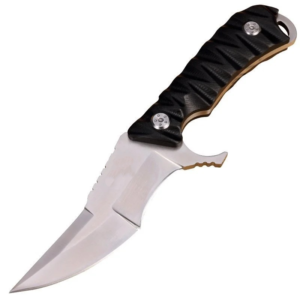
Premium Stainless Steel Blade: Ensures durability and long-lasting sharpness. Ergonomic Wood Handle: Offers a comfortable, non-slip grip for precise handling. Lanyard Design: Convenient for carrying and securing the knife during outdoor activities. Versatile Utility: Ideal for a variety of outdoor tasks including cutting, slicing, and self-defense. Equip yourself with a tool built for both performance and style—perfect for any outdoor enthusiast.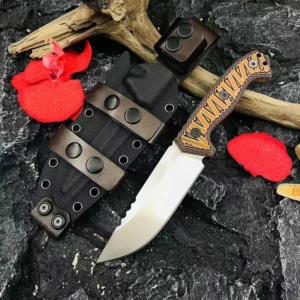
Outdoor forged survival knife high hardness camping sharp portable knife
Outdoor Forged Survival Knife, Highly Hard, Sharp, and Portable for Camping
Blade Material: Z-Wear steel, known for its excellent wear resistance and toughness
Blade Hardness: 60–61 HRC
Blade Length: 13.4 cm (5.28 inches)
Blade Thickness: 6 mm (0.24 inches)
Overall Length: 25.8 cm (10.16 inches)
Handle Material: G10 composite, offering durability and a secure grip
Weight: Approximately 552 g (with sheath)
Sheath: Combination of Kydex and leather for versatile and secure carry
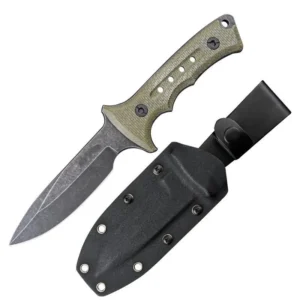
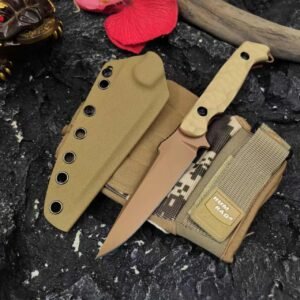


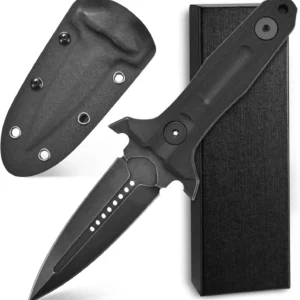
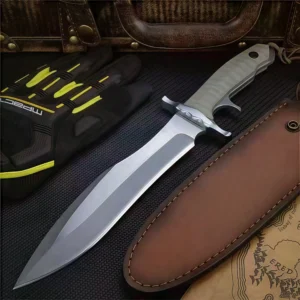
Understanding Survival Knife Design & Engineering
A survival knife is typically constructed to balance strength, utility and ease of handling. Blade shapes and grind styles are chosen to optimize cutting performance, edge retention, and ease of maintenance. Straight and drop point profiles are common for their versatility in slicing, batoning and general utility work. The overall geometry, from blade thickness to spine shape, reflects careful engineering to support a broad range of outdoor applications while maintaining structural integrity.
Materials & Construction Quality for Longevity
Quality survival knives in this collection use robust blade steels — such as high-carbon alloys or stainless variants — chosen for edge stability, corrosion resistance and long-term durability. Handles are crafted from materials like textured G10, micarta, rubberized grips, polymer composites or metal alloys to provide secure handling, even in wet or rugged environments. Attention to material choice and manufacturing precision contributes to tools that remain dependable through repeated use.
Ergonomic Handles & Practical Features
Ergonomic handle design enhances comfort and control, allowing the user to maintain a stable grip during diverse tasks. Features such as non-slip textures, finger grooves, contoured shapes and balanced weight distribution all contribute to a functional and comfortable experience. Some survival knives include practical sheath systems for secure storage and easy accessibility in outdoor gear setups.
Blade Geometry & Functional Versatility
Survival knife blades are shaped to support multiple tasks — from cutting cord and food preparation to light wood processing and trimming tasks. Blade geometry choices, such as a flat or slightly curved profile, promote efficient slicing and general utility. These thoughtful design elements reflect how survival knives blend versatility with structural reliability.
Durable Construction for Outdoor Conditions
Survival knives in this category emphasize durable construction capable of withstanding outdoor environments. Quality steels, reinforced tangs, sturdy handle materials, and corrosion-resistant finishes all contribute to tools that remain stable under repeated exposure to moisture, abrasion and temperature fluctuations.
Comfortable & Secure Handling Features
Handles with ergonomic shaping, textured grips and balanced weight help promote a secure feel in hand — reducing fatigue during extended use. Thoughtful handle design supports stability and comfort, making routine outdoor tasks more manageable and intuitive.
Sheath Systems & Gear Integration
Many survival knives are paired with well-designed sheath systems that protect the blade and allow secure attachment to belts, packs or gear racks. These sheath systems contribute to organization, storage safety and convenient access during outdoor activities or while assembling a gear kit.