

Telescopic Baton – Design Overview, Safety Awareness & Responsible Context
Learn about telescopic baton design, mechanical features, legal considerations and related personal safety accessories. Informational content for awareness and responsible preparedness.
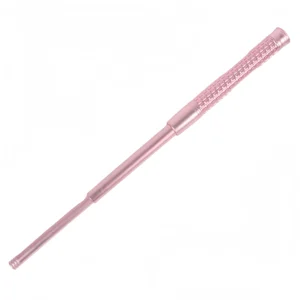
Alloy Mechanical Telescopic Baton – Pink Finish
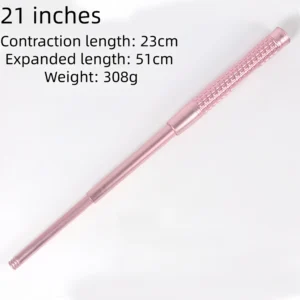 A
A 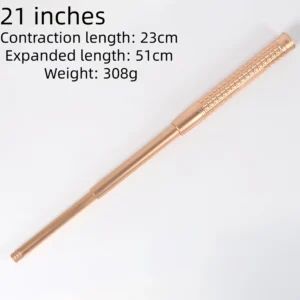 B
B 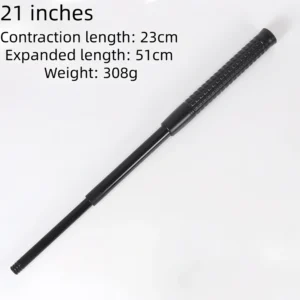 C
C 
Alloy Steel Automatic Spring Telescopic Baton
 A
A  B
B  C
C  D
D 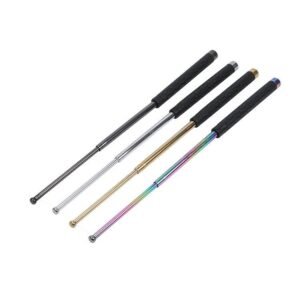
ASP-Style Telescopic Baton – Three-Section Outdoor Stick
 A
B
C
D
A
B
C
D 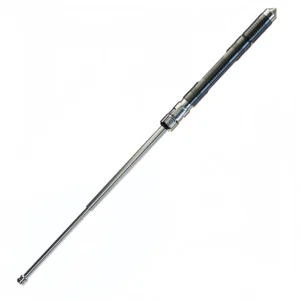
Automatic Spring Telescopic Baton
 A
A  B
B  C
C  D
D  E
E 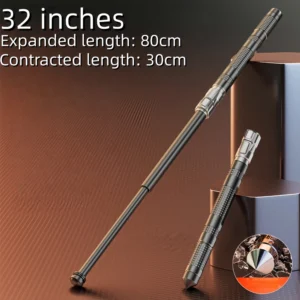 F
F 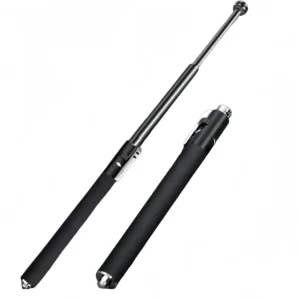
Automatic Spring Telescopic Baton
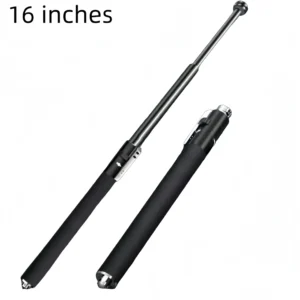 A
A 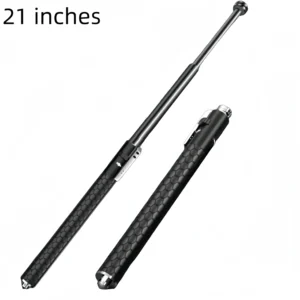 B
B 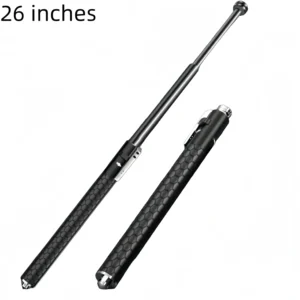 C
C 
Automatic Spring Telescopic Baton
 A
A  B
B  C
C  D
D  E
E  F
F  G
G  H
H 
Automatic Spring Telescopic Baton – Solid Three-Section Design
 A
A  B
B  C
C  D
D  E
E  F
F  G
G  H
H  I
I  J
J  K
K  L
L  M
M  N
N  O
O  P
P  Q
Q  R
R 
Automatic Spring Telescopic Baton with Alloy Steel Conical Tip

Automatic Spring-Loaded Telescopic Baton
 A
A  B
B  C
C 
Bamboo Style Mechanical Telescopic Baton
 A
A  B
B  C
C  D
D 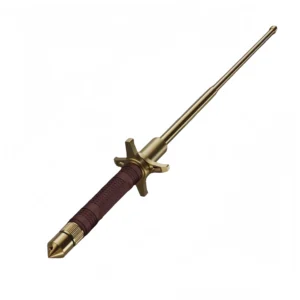
Heavy-Duty Telescopic Baton Outdoor Walking Stick
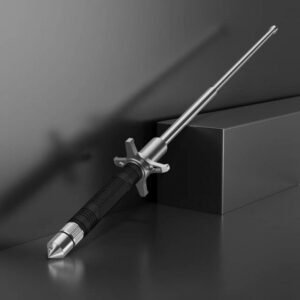 A
A 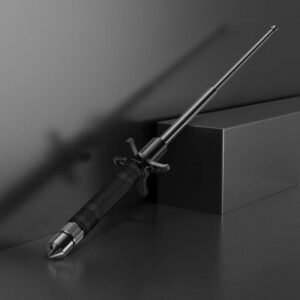 B
C
B
C 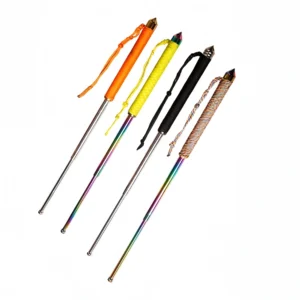
Hummer Handle Three-Section Telescopic Baton with Rubber Grip & Emergency Tip
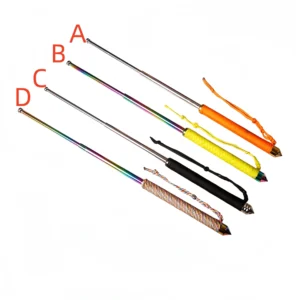 A
B
C
D
A
B
C
D What Is a Telescopic Baton – Engineering & Structural Features
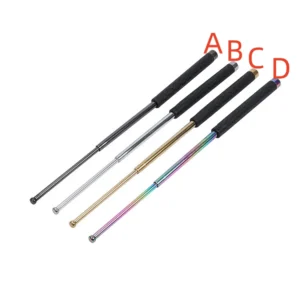
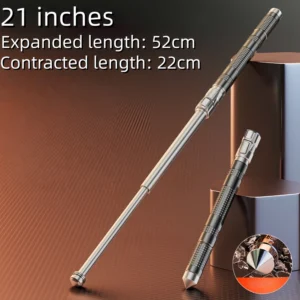
A telescopic baton consists of nested tubular sections that extend and retract along precision-machined guides. This extendable structure allows the tool to transform from a compact stored configuration into a longer form with minimal effort. Understanding this type of mechanical design offers insight into compact engineering solutions used in various fields, including inspection tools, extendable pointers, and other devices that need to combine portability with functional reach.
Material Quality, Mechanical Considerations & Construction Principles
Telescopic tools are typically built using strong metals and alloys that offer balance between lightweight portability and structural stability. The nested segments must slide smoothly, lock reliably and retract cleanly, which requires careful specification of material, surface finish and tolerance control. These mechanical engineering considerations are similar to those found in high-quality extendable inspection devices, photography poles, measuring tools and other telescoping systems.
Legal Context & Responsible Awareness
Regulations governing telescopic tools vary widely by country, state and local jurisdiction. In many regions, certain types of extendable tools are regulated or restricted under local law. Before acquiring or handling any extendable device, it’s important to research and understand the legal framework in your area. Awareness of legal context helps support responsible ownership and ensures that tools are used appropriately within applicable guidelines.
Mechanical Design Principles & Functionality
Telescopic mechanisms rely on nested tubes, precision pivots, friction locks or guided channels to extend and retract smoothly. The design emphasizes balance between compact storage and full extension, with attention to material strength, wear resistance and ease of motion. These principles are shared with other engineered tools that use telescoping action for functional reach.
Durability, Surface Finish & Material Selection
Materials used in telescoping tools — such as stainless steel, anodized aluminum or quality alloys — contribute to long-term durability and ease of maintenance. Surface finishes like bead-blasted, anodized or polished coatings reduce friction, resist corrosion and enhance visual appeal. Proper material and finish selection ensures the framework performs consistently over time.
Personal Safety Awareness & Accessory Alternatives
For individuals interested in expanding personal preparedness in a legal and safe way, there are many approved personal safety accessories that support awareness and visibility, such as: Personal alarms and audible alert devices. LED safety lights and reflective accessories. Whistles and signaling tools. Visibility wear for walking in low-light conditions. Everyday carry multi-tools for general utility (where allowed). These items help promote situational awareness, confidence and preparedness without encouraging use of restricted or regulated tools in unsafe ways.
Historical Context & Design Evolution
Extendable tools have a long history of use in professional settings — such as inspection, measurement, tooling and photography — where adjustable length is needed. Telescopic design principles have been applied across industries to balance portability with extended functionality, and understanding these roots provides insight into mechanical problem-solving and compact design evolution.