
Karambit Knife Collection – Curved Blade Designs
Explore karambit knife models at Seward Knives and compare curved blade profiles, fixed and folding formats, handle layouts, dimensions, finishes, and listed specifications. Open each product page for the current details of that model.
Karambit Knife Shapes and Construction
Curved Blade Profiles
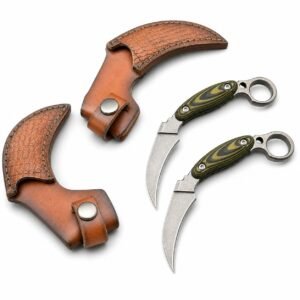
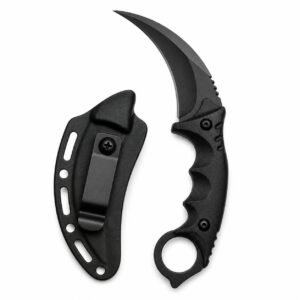
Karambit knife designs are recognized by their curved blade profile. Blade length, curve, finish, edge layout, and overall proportions vary across the collection, so review the product images and published measurements for each item.
Handles, Rings, and Product Formats
Handle shape, texture, finger-ring layout, hardware, and opening format can differ by model. Check the individual listing for materials, dimensions, weight information, included components, and available options.
Compare Fixed and Folding Karambit Designs
Fixed Blade Karambit Models
Browse the fixed blade karambit knife group to compare solid-handle layouts, blade profiles, finishes, and listed sheath details.
Folding Karambit Models
Explore the folding karambit knife group for curved blade designs that fold into the handle for storage.
How to Compare Karambit Knife Models
Start with Blade and Handle Proportions
Compare blade length, overall length, handle shape, ring position, and finish to identify the designs that match the proportions and appearance you want to review.
Use the Current Product Listing
Product details vary by model. Check the product page for current images, price, materials, dimensions, finish, included components, and selectable options before choosing an item.
Karambit Knife FAQs
What is a karambit knife?
A karambit knife has a distinctive curved blade profile and a handle that may include a finger ring. Exact construction, materials, size, and format vary by model.
Are karambit knife models fixed or folding?
This collection includes both fixed and folding formats. Use the related category links and individual product pages to compare the available configurations.
Where can I browse all current models?
Use the grid above or return to the main karambit knife collection to review the current selection.

Fixed blade karambit knife

Folding karambit knife

Karambit otf
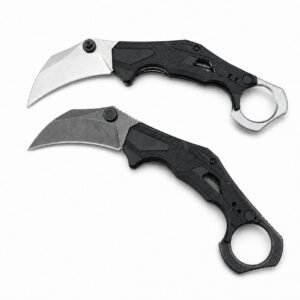
2064 Folding Claw Karambit Knife
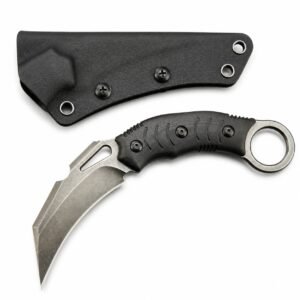
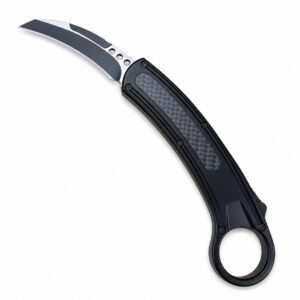

D2 Steel Karambit Claw Knife – Fixed Blade Outdoor Camping Knife
Green 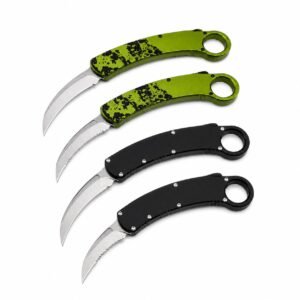
Eagle Claws Jump Straight Ahead Karambit Knife
Ghost Claw Karambit Knife
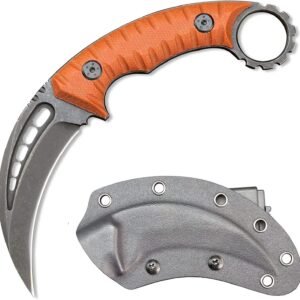
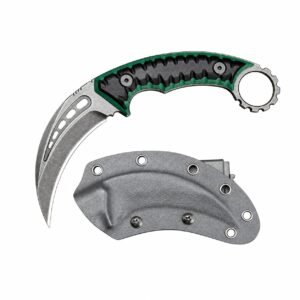

Karambit Folding Knife – Outdoor Multi-Function High Hardness Folding Claw Knife
 A
 B
 C
 D
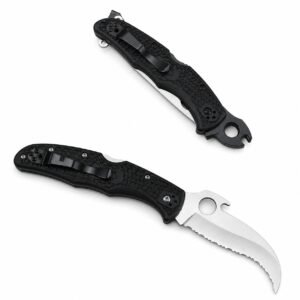
Karambit Folding Knife Full Tooth Claw Blade – Portable EDC Outdoor Pocket Knife
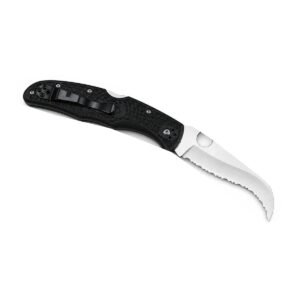 white
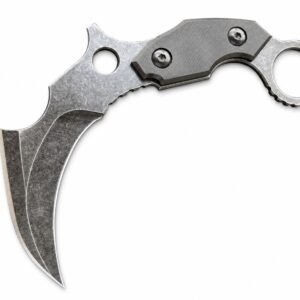
Unique Curved Blade Shape & Visual Identity
A karambit knife is instantly recognizable by its curved blade and ergonomic ring handle. This shape reflects historical agricultural tools from Indonesia and the Philippines, evolving into a prized collector’s design. The curve gives karambit knives a flowing, organic aesthetic which many enthusiasts value for its elegance, symmetry and cultural symbolism.
Materials, Build Quality & Craftsmanship
Karambit knives in this category are made using durable steels such as stainless steel, alloy steel, or carbon steel. Handles may feature G10, wood, micarta, aluminum or textured synthetic materials. Each knife is crafted with attention to detail — blade curvature, spine thickness, edge geometry, and handle shaping are all carefully executed to create a refined, visually appealing tool.
Ideal for Collection, Display & Cultural Appreciation
Many collectors admire karambit knives for their distinctive heritage and sculptural beauty. Their unique silhouette, combined with artistic finishes, makes them excellent pieces for display stands, themed collections, cultural exhibits or as part of a knife enthusiast's curated assortment.
Signature Curved Profile with Artistic Appeal
The crescent-shaped blade is one of the karambit’s most striking features. This curve adds visual motion and a sense of fluidity to the design. Collectors often view the karambit as a piece of functional art, where form and tradition merge into a single sculptural object.
Ergonomic Handle with Finger Ring Design
The ring at the base of the handle is a hallmark of karambit knives. This feature provides a unique aesthetic element and makes the knife stand out in any collection. Combined with contoured grips and lightweight materials, the handle showcases thoughtful design and craftsmanship.
High-Quality Metals & Finishes
Karambit knives may come in a variety of finishes — satin polish, stonewash, matte black coating, or patterned textures. These finishes highlight the blade's curvature and craftsmanship. Durable steels help maintain blade integrity and overall longevity for collectors.
Cultural Roots & Traditional Inspiration
Originating from Southeast Asia, the karambit has a strong cultural background. Knife enthusiasts often appreciate the historical context behind its evolution. Its traditional roots contribute to its popularity as a collectible and display-worthy piece.
Display-Friendly Shape & Collector Value
The iconic silhouette of the karambit makes it visually striking when displayed. Whether placed on a wooden stand, showcased in a display box or arranged among other unique blade styles, the karambit attracts attention and adds diversity to any collection.
Long-Term Durability & Easy Maintenance
With solid construction and robust materials, karambit knives are built to last. Basic maintenance — cleaning, drying and occasional oiling — helps preserve their condition, ensuring they remain beautiful display pieces for years.