Bushcraft Knife – Outdoor Fixed Blade Designs
Explore bushcraft knife models at Seward Knives and compare fixed blade profiles, handle shapes, dimensions, sheath details, finishes, listed materials and current options. Open each product page for its published specifications, images and price.
Bushcraft Knife Profiles and Construction
Blade Shapes and Proportions
Current listings feature different blade lengths, edge profiles, point shapes, spine details and overall proportions. Compare the product images and measurements shown for each model.
Handles and Full-Length Formats
Handle contour, surface texture, scales, fasteners, color and construction descriptions vary. Use the individual listing to confirm the exact configuration and published materials.
How to Compare Bushcraft Knives
Review Dimensions and Listed Materials
Check blade length, handle length, overall size, listed weight and material descriptions. These details help distinguish compact profiles from larger fixed blade designs.
Check Sheath and Package Details
Review the sheath images and description, included pieces, finish, selectable options and current price. Package contents can differ between listings.
Explore Related Outdoor Knife Collections
Hunting Knife Designs
Browse hunting knives to compare additional fixed blade profiles, handle materials, dimensions and sheath formats.
Survival and Fixed Blade Categories
Explore survival knives or return to the main fixed blade knife collection for a broader comparison.
Bushcraft Knife FAQs
What products are in this category?
This collection groups bushcraft knife listings with varied fixed blade profiles, handle layouts, dimensions, finishes and sheath details.
How do I compare bushcraft knife models?
Compare blade profile, overall size, handle shape, listed materials, sheath, finish, product photos, included pieces, current options and price.
Where can I browse every current model?
Use the product grid above or return to this bushcraft knife collection to review all current listings.

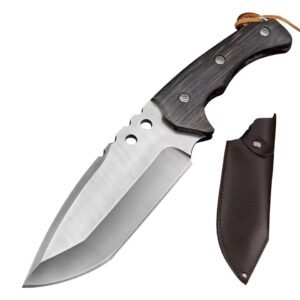
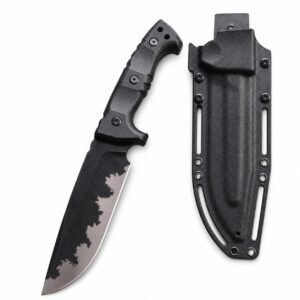
Camping outdoor survival knife portable knife high hardness straight knife sharp survival knife integrated keel high hardness tactical knife–Black-1
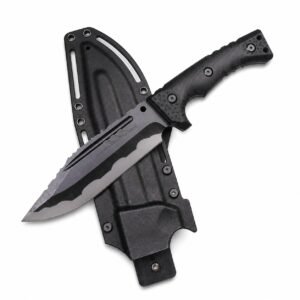
Camping outdoor survival knife portable knife high hardness straight knife sharp survival knife integrated keel high hardness tactical knife–Blcak-2
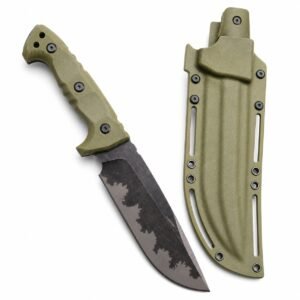
Camping outdoor survival knife portable knife high hardness straight knife sharp survival knife integrated keel high hardness tactical knife–Green-1
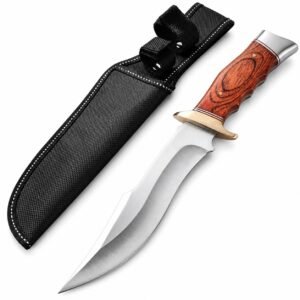

kukri Bushcraft knife
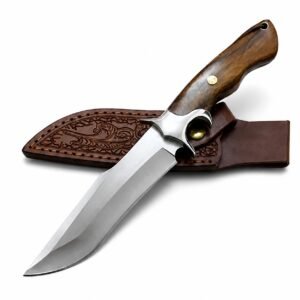

Multi-Function Survival Knife Wood Handle and Lanyard Design Outdoor Tactical Knife
Survival Knife
Premium Stainless Steel Blade: Ensures durability and long-lasting sharpness. Ergonomic Wood Handle: Offers a comfortable, non-slip grip for precise handling. Lanyard Design: Convenient for carrying and securing the knife during outdoor activities. Versatile Utility: Ideal for a variety of outdoor tasks including cutting, slicing. Equip yourself with a tool built for both performance and style—perfect for any outdoor enthusiast.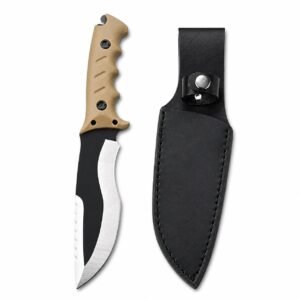
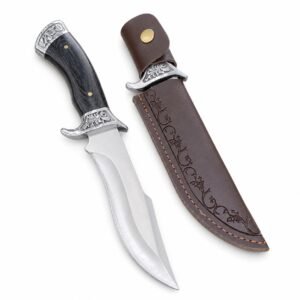
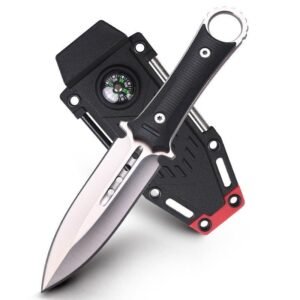
What Makes a Good Bushcraft Knife — Design, Blade & Materials
A proper bushcraft knife often features a full-tang construction, ensuring the steel runs through the handle for maximum strength and reliability — a must for batoning wood or heavy-duty cutting. Blade design typically favors a medium-length edge. Most bushcraft knives use blade grinds like Scandinavian or flat/convex grinds, which offer easy sharpening and superb wood-carving and carving performance — perfect for shelter building, carving, and processing natural materials.
Why Bushcraft Knife — Versatility from Firewood to Food & Shelter
A bushcraft knife is a true multipurpose outdoor tool: ideal for splitting kindling, carving stakes or shelters, cutting rope, skinning game, preparing food, or even first aid tasks. Because of its balanced build — not too heavy, not too delicate — a bushcraft knife remains practical for extended trips, survival situations, and everyday wilderness use.
Choosing the Right Bushcraft Knife for Your Needs
Depending on your intended use — from light camping and carving to heavier woodwork — you might prefer a lighter, smaller bushcraft knife for portability, or a thicker, more robust one for chopping and batoning. Consider blade material , tang construction, handle ergonomics , and edge geometry.
Full-Tang Construction and Durable Materials for Tough Outdoor Use
A quality bushcraft knife is built with a full-tang blade — meaning the steel runs from tip to handle end — which provides structural integrity and makes the knife reliable under heavy tasks like batoning, chopping, or shelter building. Blade steels are typically high-carbon or quality alloy/stainless steels, balancing hardness (edge retention) and toughness (resistance to chipping or breaking) for field durability.
Blade Geometry & Grind for Precision Woodwork and Outdoor Crafting
Bushcraft knife blades often feature a Scandinavian grind or flat bevel — grinds known for easy sharpening in the field, excellent slicing and carving performance, and efficient wood processing. A medium-length blade (approx. 3.5–4.5 inches) offers a balance: enough reach for chopping or batoning, while still allowing precision control for carving, feathering wood, making tools or kindling.
Multipurpose Utility — Firewood, Shelter, Food Prep, and Survival Tasks
A bushcraft knife shines in a wide variety of scenarios: splitting kindling, trimming branches, carving tent stakes, preparing firewood, slicing ropes or cords, cleaning game, preparing food, carving utensils — making it a backbone tool for camping, bushcraft, or survival kits. In survival or remote expeditions, having a reliable bushcraft knife—a tool capable of wood processing, food prep, and shelter construction—can greatly increase your self-reliance and safety.
Easy Maintenance & Sharpening — Ideal for Field Use
Due to its simpler design (no moving parts) and common grind types, a bushcraft knife can easily be sharpened in the field with basic sharpening stones. Scandi or flat grinds simplify maintenance — a practical advantage for long trips or remote use. Robust handle materials and corrosion-resistant options ensure longevity even in wet or humid environments, reducing risk of rust or deterioration.