Boning Knife – Design, Construction, and Functional Features
Explore boning knife design, blade flexibility, materials, balance, and ergonomic features. A detailed look at construction and performance for food preparation tasks.


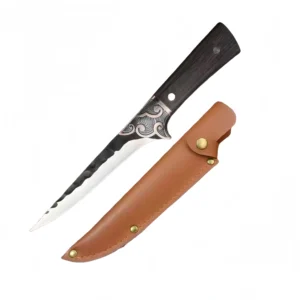
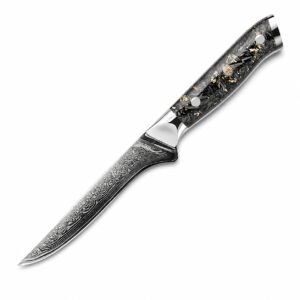
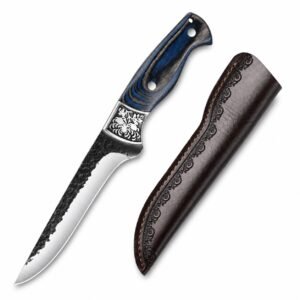
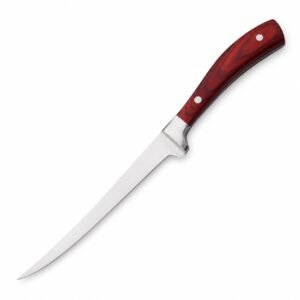


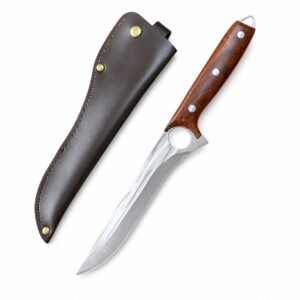
Blade Shape, Control, and Mechanical Characteristics
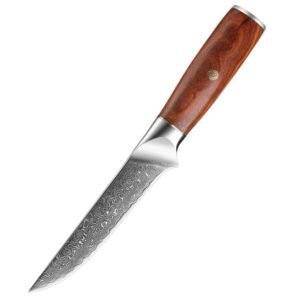
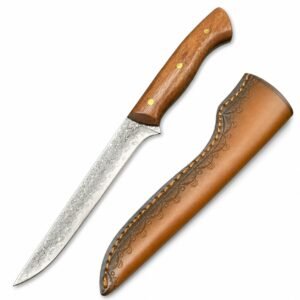
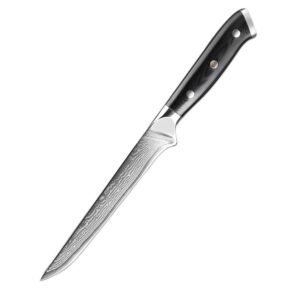
A boning knife features a narrow, tapered blade designed to provide precise movement around joints and along natural contours of meats. Blade flexibility varies from stiff to semi-flex, allowing users to choose the level of control they prefer for different tasks. The geometry—thin spine, pointed tip, and fine edge—enhances maneuverability and ensures clean, efficient cuts. Construction quality, including edge retention and smooth transitions between blade and handle, contributes to the knife’s reliability in kitchen environments.
Materials, Durability, and Manufacturing Quality
Quality boning knives are typically crafted from stainless steel or high-carbon steel, chosen for their strength, corrosion resistance, and ability to maintain a sharp edge. Handles may use materials such as POM, wood, G10, or polymer composites, each offering durability and improved grip. Careful forging or precision machining ensures blade stability, consistent hardness, and a refined surface finish. These characteristics collectively influence performance, longevity, and ease of maintenance.
Ergonomics, Balance, and User Comfort
Ergonomics play a major role in the effectiveness of a boning knife. Handle contours are shaped to follow the natural curve of the hand, reducing fatigue during extended preparation sessions. A well-balanced design allows smooth, controlled movements, while textured or non-slip surfaces help maintain a secure grip, even when working with moist ingredients. Balance between the blade and handle enhances accuracy and supports safe, confident handling.
Surface Finish and Visual Design
Boning knives may feature polished, satin, brushed, or coated finishes that improve corrosion resistance and aesthetics. Blade markings, spine shape, and handle patterns contribute to the knife’s professional appearance.
Blade Flexibility and Performance Characteristics
The degree of blade flexibility is essential to a boning knife’s function. Stiffer blades offer control for larger cuts, while more flexible blades allow precise trimming and shaping of delicate ingredients.
Application Scope and Responsible Use
A boning knife is primarily designed for food preparation, including trimming, deboning, and portioning meats or fish. Users should follow proper handling and kitchen safety practices during operation and maintain the blade appropriately to ensure long-lasting performance.